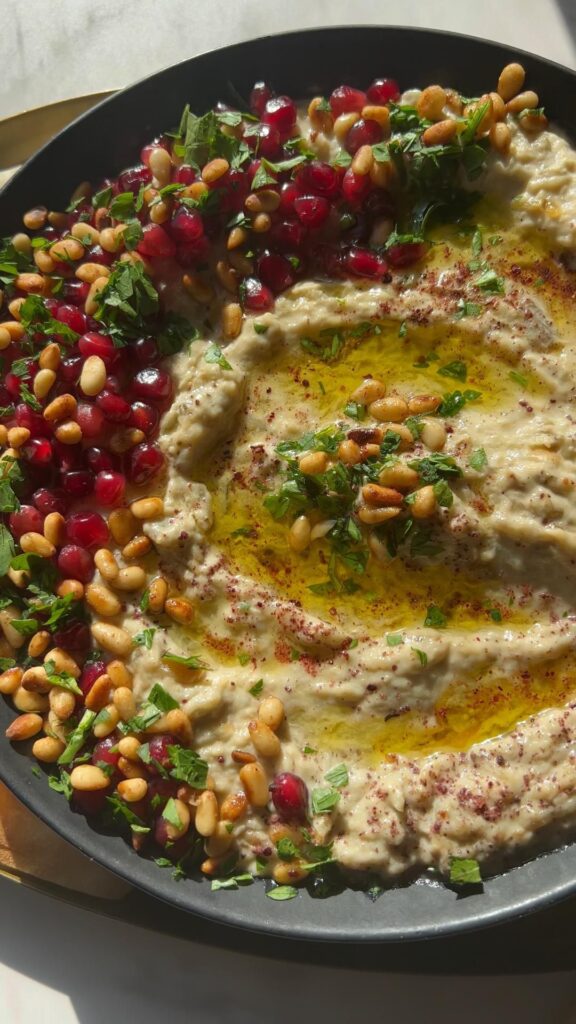
Vegetarian Lebanese Food is a celebration of fresh vegetables, aromatic spices, and wholesome grains. This recipe brings together three classic dishes—creamy hummus, herb-packed tabbouleh, and crispy baked falafel—to create a colorful and satisfying meal that's perfect for any occasion.
Advertisements1
Whether you're a long-time fan of Middle Eastern cuisine or trying it for the first time, this platter is sure to impress. It's naturally vegetarian and can easily be made vegan, making it a versatile choice for family dinners, potlucks, or meal prep.
The combination of creamy, crunchy, and zesty elements offers a delightful mix of textures and flavors, all while providing a nutritious boost of protein, fiber, and vitamins. Get ready to transport your taste buds to the bustling streets of Beirut!
Why You'll Love This Recipe
About the Ingredients
1 cup (200g) dried chickpeas
For the best texture, use dried chickpeas soaked overnight. If using canned, you'll need 2 (15-ounce) cans, drained and rinsed.
1/2 cup (70g) fine bulgur wheat
Fine bulgur is essential for tabbouleh; if you only have coarse, soak longer and drain well.
2 large bunches fresh parsley (about 4 cups chopped)
Flat-leaf parsley is traditional and has more flavor than curly. Substitute half with mint for a twist.
1/2 cup (80g) chopped fresh mint
Fresh mint adds a bright note; if unavailable, use 1/4 cup dried mint, but reduce by half.
4 medium ripe tomatoes, finely diced
Use firm Roma tomatoes to avoid excess water. Cherry tomatoes work well too.
1/2 cup (75g) tahini
Stir tahini well before measuring. If it's too thick, thin with a little lemon juice.
1/4 cup (60ml) extra-virgin olive oil, plus more for serving
Quality olive oil makes a difference; use a fruity one for drizzling.
3 lemons, juiced (about 1/2 cup / 120ml)
Fresh lemon juice is key; bottled won't give the same brightness.
2 cloves garlic, minced
For hummus, use one clove raw; for falafel, use two. Adjust to taste.
1 teaspoon ground cumin
Cumin adds earthy warmth; toast whole seeds and grind for more flavor.
1 teaspoon ground coriander
Coriander complements cumin; if you don't have it, use extra cumin.
1/2 teaspoon baking soda
Helps falafel stay light and fluffy. Do not skip.
1 teaspoon salt, plus more to taste
Use fine sea salt for even seasoning.
Tips & Tricks
For creamy hummus, peel the chickpeas
it's tedious but makes a silkier texture. Alternatively, blend longer with ice-cold water.
- Don't over-process falafel mixture; pulse until just combined but still slightly chunky to keep them tender, not dense.
- Tabbouleh should be mostly herbs with just a hint of bulgur; if it becomes soggy, add more chopped parsley to balance.
Pro Tips
Step-by-Step Instructions
1. Soak and Cook Chickpeas
Soak dried chickpeas in water overnight (at least 8 hours). Drain and rinse. In a large pot, cover with fresh water and bring to a boil. Reduce heat and simmer for 1 hour until tender but not mushy. Drain and set aside. Reserve 1/2 cup of cooking water for hummus.
2. Prepare Tabbouleh Base
Rinse bulgur in a fine-mesh strainer and place in a bowl. Pour 1/2 cup boiling water over it, cover, and let stand for 15 minutes until water is absorbed. Fluff with a fork and let cool completely.
3. Make Tabbouleh Salad
Finely chop parsley and mint. Combine with bulgur, diced tomatoes, 1/4 cup lemon juice, 3 tablespoons olive oil, and salt to taste. Toss well. Cover and refrigerate while you prepare other components.
4. Blend Creamy Hummus
In a food processor, combine 1.5 cups cooked chickpeas, tahini, juice of 1 lemon, 1 garlic clove, 1/2 teaspoon cumin, and 1/4 teaspoon salt. Process until smooth, scraping down sides. With motor running, slowly add 3-4 tablespoons ice water until light and creamy. Adjust seasoning. Transfer to a bowl, drizzle with olive oil.
5. Form Falafel Mixture
In a food processor, combine remaining 1.5 cups chickpeas, garlic clove, 1/2 teaspoon cumin, 1/2 teaspoon coriander, baking soda, 1/4 cup chopped parsley, and 1/4 teaspoon salt. Pulse until coarse, but mixture holds together when pinched. Transfer to a bowl, cover, and refrigerate 30 minutes.
6. Shape and Bake Falafel
Preheat oven to 400°F (200°C). Line a baking sheet with parchment. Form mixture into 12 balls (about 1.5 tablespoons each). Place on prepared sheet and lightly brush with olive oil. Bake 20-25 minutes, flipping halfway, until deep golden brown and crisp on all sides.
7. Assemble and Serve
Spread hummus on a large platter. Arrange falafel around it. Serve tabbouleh in a separate bowl. Garnish with extra parsley, paprika, and olive oil. Enjoy with warm pita bread.
Delicious Variations
Spicy Harissa Twist
Add 1-2 teaspoons harissa paste to the hummus for a fiery kick.
Quinoa Tabbouleh
Swap bulgur with cooked quinoa for a gluten-free version.
Baked Veggie Falafel
Add grated zucchini or carrot to the falafel mixture (squeeze out excess moisture) for extra nutrients.
How to Store Vegetarian Lebanese Food
Refrigerator
Store each component separately in airtight containers. Hummus and tabbouleh keep for 3-4 days; falafel keep for 4-5 days.
Freezer
Freeze cooked falafel in a single layer on a baking sheet, then transfer to a freezer bag for up to 3 months. Hummus freezes well for up to 1 month. Tabbouleh is not suitable for freezing due to tomatoes.
Reheating
Reheat falafel in a 350°F (175°C) oven for 5-7 minutes until hot and crisp. Hummus can be microwaved briefly or served cold. Tabbouleh is best served cold.
Frequently Asked Questions
Q: Is Lebanese food vegetarian?
Yes, many traditional Lebanese dishes are vegetarian, such as hummus, tabbouleh, and falafel. This recipe is entirely plant-based.
Q: What is the most popular Lebanese vegetarian dish?
Hummus and falafel are arguably the most popular, often served together as a mezze platter. Tabbouleh is also a beloved salad.
Q: Can I make this recipe gluten-free?
Absolutely! Use quinoa instead of bulgur in the tabbouleh and serve with gluten-free pita or vegetables. The hummus and falafel are naturally gluten-free.
Q: How do I get crispy falafel without frying?
Baking at a high temperature (400°F/200°C) and brushing with oil gives a crispy exterior. For extra crispness, use an air fryer at 375°F (190°C) for 12-15 minutes.
Q: Can I use canned chickpeas instead of dried?
Yes, canned chickpeas work for hummus and tabbouleh, but for falafel, dried (or frozen) chickpeas are strongly recommended because canned ones are too moist and fall apart.
I hope you enjoy this vibrant Lebanese feast! If you try it, please leave a review below and share your photos on social media—I'd love to see your beautiful creations. Bon appétit!
Vegetarian Lebanese Food
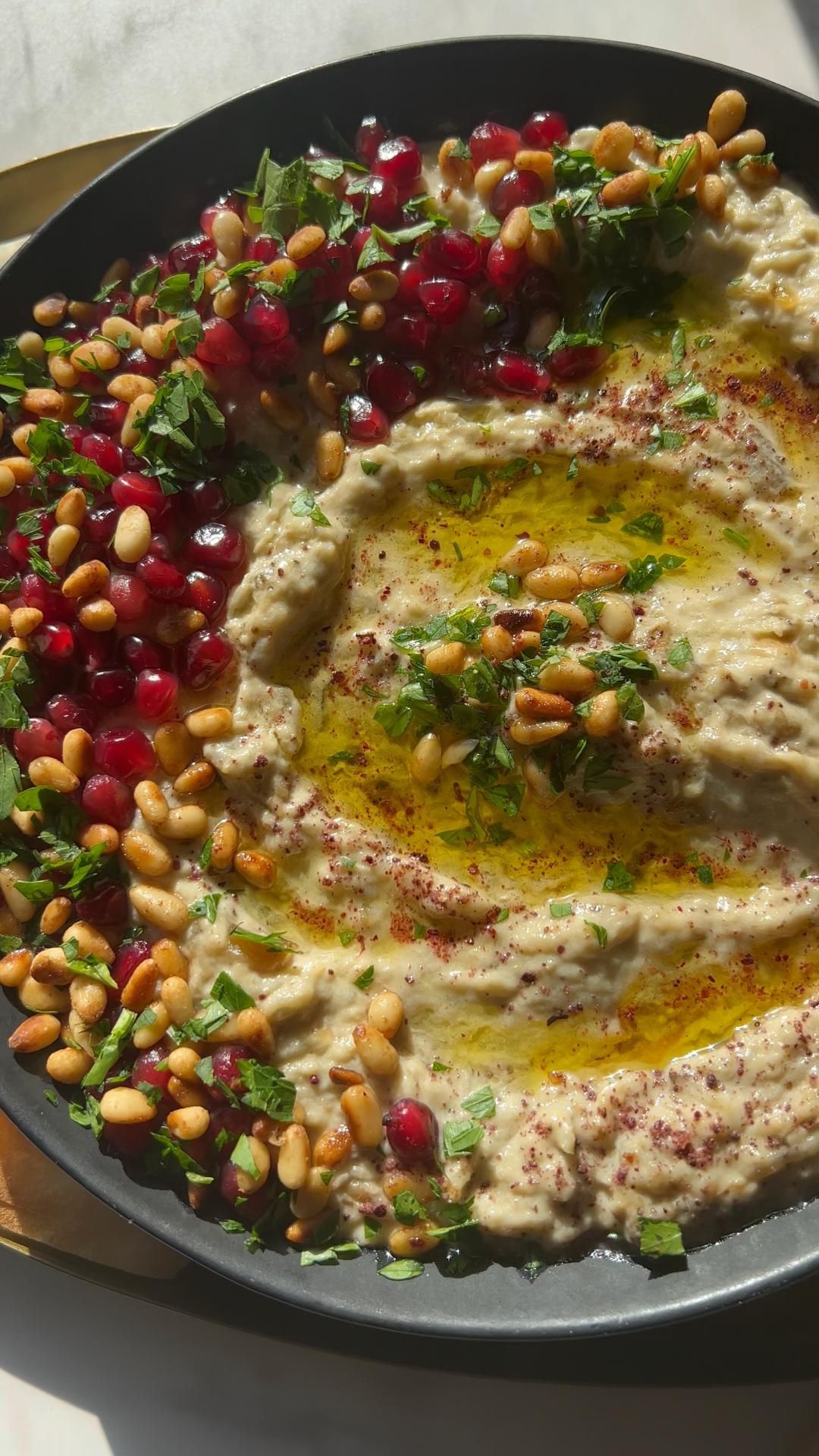
Vegetarian Lebanese Food: a vibrant mezze platter with hummus, tabbouleh, and falafel—fresh, healthy, and bursting with flavor.
🧂 Ingredients
- 1 cup (200g) dried chickpeas
- 1/2 cup (70g) fine bulgur wheat
- 2 large bunches fresh parsley (about 4 cups chopped)
- 1/2 cup (80g) chopped fresh mint
- 4 medium ripe tomatoes, finely diced
- 1/2 cup (75g) tahini
- 1/4 cup (60ml) extra-virgin olive oil, plus more for serving
- 3 lemons, juiced (about 1/2 cup / 120ml)
- 2 cloves garlic, minced
- 1 teaspoon ground cumin
- 1 teaspoon ground coriander
- 1/2 teaspoon baking soda
- 1 teaspoon salt, plus more to taste
📋 Instructions
- 1Soak and Cook Chickpeas — Soak dried chickpeas in water overnight (at least 8 hours). Drain and rinse. In a large pot, cover with fresh water and bring to a boil. Reduce heat and simmer for 1 hour until tender but not mushy. Drain and set aside. Reserve 1/2 cup of cooking water for hummus.
- 2Prepare Tabbouleh Base — Rinse bulgur in a fine-mesh strainer and place in a bowl. Pour 1/2 cup boiling water over it, cover, and let stand for 15 minutes until water is absorbed. Fluff with a fork and let cool completely.
- 3Make Tabbouleh Salad — Finely chop parsley and mint. Combine with bulgur, diced tomatoes, 1/4 cup lemon juice, 3 tablespoons olive oil, and salt to taste. Toss well. Cover and refrigerate while you prepare other components.
- 4Blend Creamy Hummus — In a food processor, combine 1.5 cups cooked chickpeas, tahini, juice of 1 lemon, 1 garlic clove, 1/2 teaspoon cumin, and 1/4 teaspoon salt. Process until smooth, scraping down sides. With motor running, slowly add 3-4 tablespoons ice water until light and creamy. Adjust seasoning. Transfer to a bowl, drizzle with olive oil.
- 5Form Falafel Mixture — In a food processor, combine remaining 1.5 cups chickpeas, garlic clove, 1/2 teaspoon cumin, 1/2 teaspoon coriander, baking soda, 1/4 cup chopped parsley, and 1/4 teaspoon salt. Pulse until coarse, but mixture holds together when pinched. Transfer to a bowl, cover, and refrigerate 30 minutes.
- 6Shape and Bake Falafel — Preheat oven to 400°F (200°C). Line a baking sheet with parchment. Form mixture into 12 balls (about 1.5 tablespoons each). Place on prepared sheet and lightly brush with olive oil. Bake 20-25 minutes, flipping halfway, until deep golden brown and crisp on all sides.
- 7Assemble and Serve — Spread hummus on a large platter. Arrange falafel around it. Serve tabbouleh in a separate bowl. Garnish with extra parsley, paprika, and olive oil. Enjoy with warm pita bread.