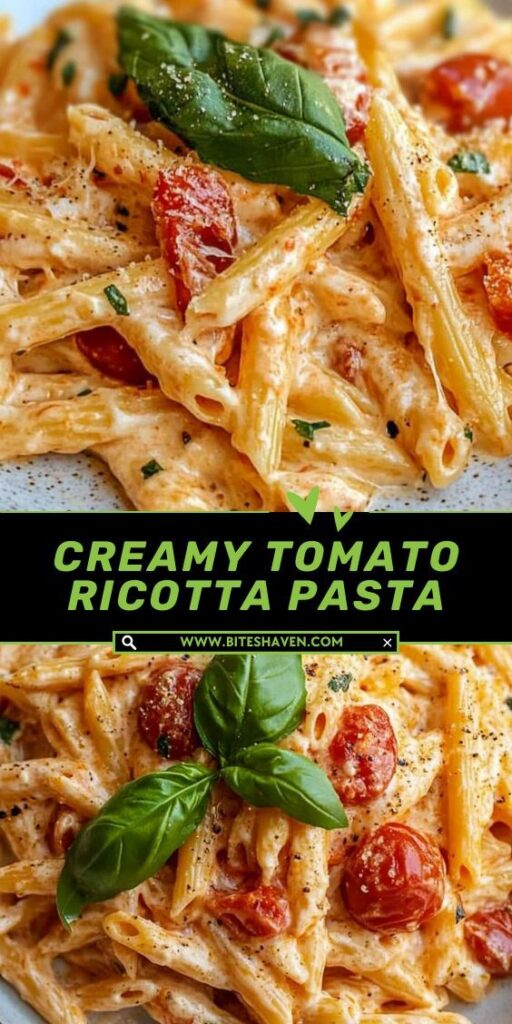
If you have a tub of ricotta in the fridge and a box of pasta in the pantry, you are 25 minutes away from one of the creamiest, most comforting dinners in my entire repertoire. This is the ricotta pasta recipe I make on nights when I want something that tastes slow-simmered but comes together while the water boils.
Advertisements1
The magic is in whisking ricotta with starchy pasta water, good olive oil, garlic, and a shower of Parmesan until it turns into a glossy sauce that hugs every strand. No heavy cream, no roux, no fuss. Just a handful of real ingredients doing exactly what they should.
I have tested this with whole-milk and part-skim ricotta, with spaghetti, rigatoni, and penne, and with every add-in from burst cherry tomatoes to crispy pancetta. The base recipe below is the one I keep coming back to, and it is the one I teach to friends who swear they cannot cook.
Why You'll Love This Recipe
About the Ingredients
1 lb (454g) spaghetti, rigatoni, or penne
Long pasta twirls beautifully in ricotta sauce, while rigatoni traps it inside the tubes. If you are gluten-free, a bronze-cut corn and rice blend pasta holds up best because it releases plenty of starch.
2 cups (500g) whole-milk ricotta, drained if watery
Whole-milk ricotta gives the creamiest body; part-skim works but tastes leaner. Buy ricotta packed in a tub with visible curds rather than a smooth, gummy spread, and drain it in a fine-mesh sieve for 10 minutes if liquid pools on top.
3/4 cup (75g) freshly grated Parmesan or Pecorino Romano
Freshly grating your own makes a huge difference in how smoothly it melts. Pecorino Romano is sharper and saltier, so reduce the added salt if you use it.
3 tablespoons (45ml) extra-virgin olive oil
A fruity, peppery oil carries the garlic and coats the pasta. If you only have light olive oil, add an extra pinch of flaky salt at the end for backbone.
4 garlic cloves, thinly sliced
Thin slices toast gently into sweet, golden chips instead of burning. Jarred minced garlic is a fine shortcut, but use 1 teaspoon and add it off the heat.
1/2 teaspoon red pepper flakes
This is the backbone of the dish's gentle heat. Aleppo pepper or a pinch of cayenne are both good swaps if you want a different kind of warmth.
1 teaspoon kosher salt, plus more for the pasta water
Kosher salt seasons evenly and is easy to pinch. If you only have fine table salt, start with 3/4 teaspoon and taste before adding more.
1/2 teaspoon freshly cracked black pepper
Coarse cracks bloom in the warm oil and taste brighter than pre-ground. A few extra grinds at the table never hurt.
1 cup (150g) frozen peas, thawed
Frozen peas are sweeter and more reliable than most fresh ones. Swap in 2 cups of baby spinach or 1 cup of halved cherry tomatoes if you prefer.
1/4 cup (10g) fresh basil or flat-leaf parsley, torn
Torn herbs bruise less and stay fragrant longer than chopped. Basil is classic, but parsley or mint both brighten the ricotta beautifully.
Zest of 1 lemon
Lemon zest cuts through the richness and makes the whole bowl taste fresher. Skip it only if you are leaning into a heavier, baked version of this dish.
Tips & Tricks
Do not drain all the pasta water
Reserve at least 1 1/2 cups before you drain, because that starchy liquid is what turns ricotta into sauce. If you forget, a splash of hot tap water whisked into the ricotta will rescue it.
Warm the ricotta before it hits the pan
Cold ricotta seizes and turns grainy when it hits hot pasta. Let it sit on the counter for 15 minutes or microwave it for 20 seconds, then whisk it smooth with a fork first.
- Keep the heat low when the ricotta goes in: Ricotta can break and turn gritty over high heat. Toss the sauce with the pasta off the burner or on the lowest flame, adding pasta water a splash at a time until it turns glossy.
- Salt the water like the sea and taste at the end: Pasta water should taste seasoned, not salty. Because Parmesan and Pecorino add salt too, always taste the finished sauce before adding more.
Pro Tips
Step-by-Step Instructions
1. Boil the pasta
Bring a large pot of water to a rolling boil, add 1 tablespoon of kosher salt, and cook the pasta 1 minute shy of the package's al dente time, about 9 minutes for spaghetti. Before draining, scoop out 1 1/2 cups of the cloudy pasta water and set it aside.
2. Bloom the garlic
While the pasta cooks, heat the olive oil in a large skillet over medium-low heat (about 300F/150C) and add the sliced garlic and red pepper flakes. Cook for 2 to 3 minutes, stirring constantly, until the garlic is pale golden and fragrant but not browned; if it starts to color fast, pull the pan off the heat.
3. Whisk the ricotta
In a medium bowl, whisk the ricotta with 1/2 cup of the reserved pasta water, the Parmesan, salt, and black pepper until it looks like a smooth, pourable sauce. It should coat the back of a spoon; add another splash of pasta water if it is stiff.
4. Combine off the heat
Turn off the burner and slide the drained pasta into the skillet with the garlic oil, then pour the ricotta mixture over the top. Toss vigorously with tongs for 1 to 2 minutes, adding pasta water 2 tablespoons at a time, until the sauce turns glossy and clings to every strand.
5. Fold in the peas
Stir in the thawed peas and toss for 30 seconds, just until they are warmed through and bright green. Taste and adjust the salt, pepper, and red pepper flakes now, while the sauce is still loose enough to absorb them.
6. Finish and serve
Scatter the lemon zest and torn basil over the top, give everything one last toss, and serve immediately in warm bowls. The sauce tightens as it sits, so a final splash of pasta water at the table keeps it silky.
Delicious Variations
Baked Ricotta Pasta
Toss the finished pasta with 1 cup of marinara, pour it into a 9×13-inch baking dish, top with 1 cup of shredded mozzarella, and bake at 400F (205C) for 18 to 20 minutes until the edges bubble and the cheese is golden.
Lemon Ricotta Pasta with Spinach
Skip the peas, double the lemon zest, and wilt 5 ounces of baby spinach into the garlic oil before adding the pasta for a brighter, greener bowl.
Spicy Sausage Ricotta Pasta
Brown 12 ounces of crumbled hot Italian sausage in the skillet first, then use the rendered fat in place of half the olive oil for a heartier, deeply savory version.
How to Store Creamy Ricotta Pasta Recipes
Refrigerator
Store leftovers in an airtight container in the refrigerator for up to 3 days. The pasta will absorb the sauce as it chills, so plan to loosen it with a splash of water or milk when reheating.
Freezer
Freezing is not recommended because ricotta sauces separate and turn grainy once thawed. If you must, freeze for up to 1 month and reheat gently with extra pasta water whisked in.
Reheating
Reheat in a covered skillet over low heat (about 250F/120C) with 2 tablespoons of water or milk, stirring until the sauce is creamy again, about 4 to 5 minutes. Avoid the microwave on high, which can make the ricotta break.
Frequently Asked Questions
Q: Can I use part-skim ricotta for this pasta?
Yes, part-skim ricotta works fine, though the sauce will be slightly less creamy and a touch more grainy. Whisk it with a little extra pasta water and finish with an extra drizzle of olive oil to bring back the richness.
Q: Why did my ricotta pasta turn grainy?
Grainy ricotta almost always means the sauce got too hot or the ricotta was cold when it hit the pan. Whisk the ricotta with warm pasta water first and toss it with the pasta off the heat to keep the sauce silky.
Q: How much pasta water should I add to ricotta sauce?
Start with 1/2 cup whisked into the ricotta, then add more 2 tablespoons at a time while tossing until the sauce coats every strand. You will usually use between 3/4 and 1 1/4 cups total, depending on your pasta.
Q: What pasta shape is best with ricotta sauce?
Rigatoni, penne, and spaghetti are the best choices because their ridges or long strands hold the thick sauce. Short tubes like rigatoni are especially good if you plan to bake the leftovers.
Q: Is ricotta pasta the same as Alfredo?
No, Alfredo is built on butter and cream, while ricotta pasta gets its creaminess from whipped ricotta and starchy pasta water. Ricotta pasta is lighter, slightly tangy, and higher in protein than a traditional cream sauce.
Grab that tub of ricotta and a box of rigatoni, and make this creamy ricotta pasta tonight. Once you see how easily it comes together, it will earn a permanent spot in your weeknight rotation.
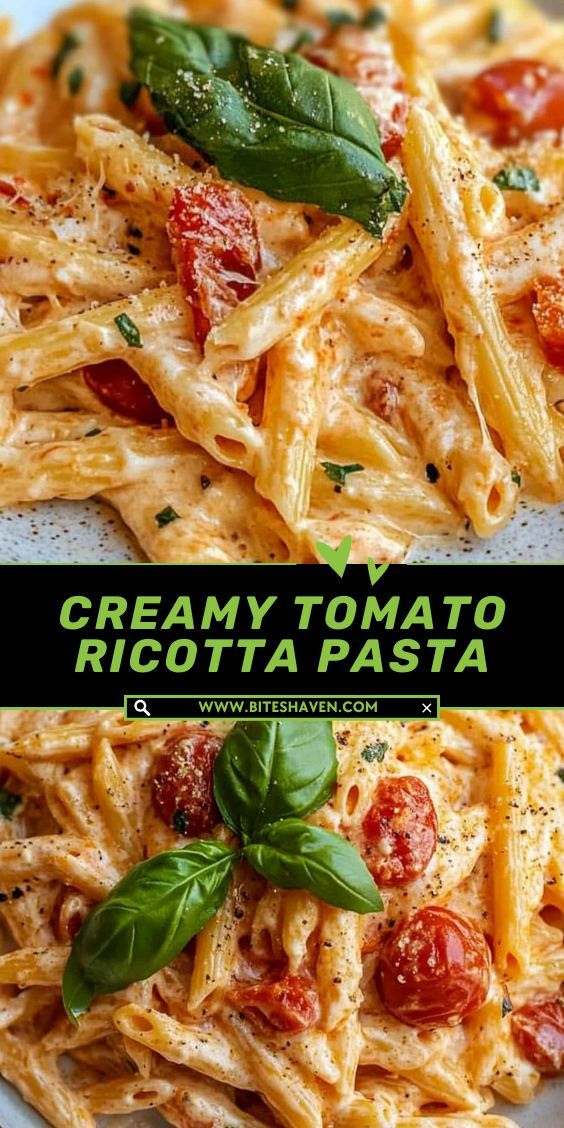
Creamy Ricotta Pasta Recipes
Creamy Ricotta Pasta Recipes turn humble ricotta into a silky, garlicky sauce that clings to every noodle in 25 minutes flat.
🧂 Ingredients
- 1 lb (454g) spaghetti, rigatoni, or penne
- 2 cups (500g) whole-milk ricotta, drained if watery
- 3/4 cup (75g) freshly grated Parmesan or Pecorino Romano
- 3 tablespoons (45ml) extra-virgin olive oil
- 4 garlic cloves, thinly sliced
- 1/2 teaspoon red pepper flakes
- 1 teaspoon kosher salt, plus more for the pasta water
- 1/2 teaspoon freshly cracked black pepper
- 1 cup (150g) frozen peas, thawed
- 1/4 cup (10g) fresh basil or flat-leaf parsley, torn
- Zest of 1 lemon
📋 Instructions
- 1Boil the pasta — Bring a large pot of water to a rolling boil, add 1 tablespoon of kosher salt, and cook the pasta 1 minute shy of the package's al dente time, about 9 minutes for spaghetti. Before draining, scoop out 1 1/2 cups of the cloudy pasta water and set it aside.
- 2Bloom the garlic — While the pasta cooks, heat the olive oil in a large skillet over medium-low heat (about 300F/150C) and add the sliced garlic and red pepper flakes. Cook for 2 to 3 minutes, stirring constantly, until the garlic is pale golden and fragrant but not browned; if it starts to color fast, pull the pan off the heat.
- 3Whisk the ricotta — In a medium bowl, whisk the ricotta with 1/2 cup of the reserved pasta water, the Parmesan, salt, and black pepper until it looks like a smooth, pourable sauce. It should coat the back of a spoon; add another splash of pasta water if it is stiff.
- 4Combine off the heat — Turn off the burner and slide the drained pasta into the skillet with the garlic oil, then pour the ricotta mixture over the top. Toss vigorously with tongs for 1 to 2 minutes, adding pasta water 2 tablespoons at a time, until the sauce turns glossy and clings to every strand.
- 5Fold in the peas — Stir in the thawed peas and toss for 30 seconds, just until they are warmed through and bright green. Taste and adjust the salt, pepper, and red pepper flakes now, while the sauce is still loose enough to absorb them.
- 6Finish and serve — Scatter the lemon zest and torn basil over the top, give everything one last toss, and serve immediately in warm bowls. The sauce tightens as it sits, so a final splash of pasta water at the table keeps it silky.