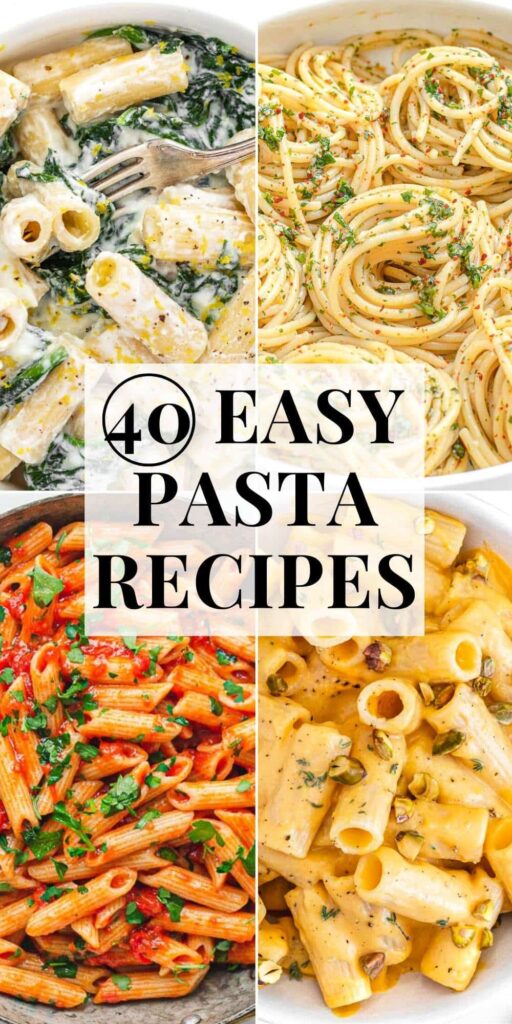
Ricotta is the quiet hero of the Italian kitchen, and this is the pasta I make on nights when I want something creamy but do not want to stand over a pot of heavy cream sauce. Whisked with starchy pasta water, grated parmesan and lemon zest, ricotta melts into a glossy sauce that clings to every strand without ever turning gluey.
Advertisements1
The whole thing comes together in the time it takes to boil a pot of water, which is exactly why it earned a permanent spot in my weeknight rotation. You probably already have most of it: a pound of pasta, a 15-ounce tub of whole-milk ricotta, a lemon, a few garlic cloves and a hunk of parmesan.
One note before you start: this recipe leans on the pasta water, so do not drain the pasta down the sink. Scoop out two cups before you drain, and the sauce basically makes itself.
Why You'll Love This Recipe
About the Ingredients
1 lb (454g) short pasta, such as rigatoni, penne or fusilli
Short shapes with ridges hold the ricotta sauce best. If you only have spaghetti or linguine, that works too, but save a little extra pasta water since long noodles grip less sauce.
15 oz (425g) whole-milk ricotta, at room temperature
Whole-milk ricotta is creamier and less watery than part-skim; if yours looks soupy, drain it in a fine-mesh sieve for 15 minutes first. No ricotta? Blended cottage cheese or full-fat Greek yogurt is a close stand-in.
1 cup (90g) finely grated parmesan or pecorino romano
Grate it yourself on a Microplane, since pre-shredded cheese is coated in starch and clumps in the sauce. Pecorino is sharper and saltier, so cut the added salt in half if you use it.
3 cloves garlic, finely grated or minced
Fresh garlic only here; the jarred stuff tastes flat and slightly metallic. A microplane turns the cloves into a paste that disappears into the sauce instead of leaving harsh raw bites.
1 lemon, zested and juiced (about 2 tsp zest and 2 tbsp juice)
Zest before you juice, and scrub the lemon first since you are eating the peel. A lime works in a pinch, but start with half the juice and taste.
3 tbsp extra-virgin olive oil
A fruity, peppery oil is worth it here because it is not cooked much. If your oil tastes bitter or dull, save it for roasting and use a fresher bottle.
1/2 tsp fine sea salt, plus more for the pasta water
Salting the water like the sea is the single biggest flavor upgrade in this recipe. If you are watching sodium, use 1 tbsp salt in the water and skip the added salt in the sauce.
1/2 tsp freshly cracked black pepper
Crack it right before it goes in; pre-ground pepper has almost no aroma. For a punchier bite, toast whole peppercorns in the dry pot for 30 seconds first.
1/4 cup (15g) fresh basil or flat-leaf parsley, torn
Tender herbs go in off the heat so they stay bright green. Basil is classic, but mint or dill make a surprisingly good version with the lemon.
1/2 tsp red pepper flakes, optional
Adds gentle heat that cuts through the richness. Aleppo pepper is milder and fruitier if you are feeding kids.
Tips & Tricks
Do not skip tempering the ricotta
whisk it with a ladle of hot pasta water in a bowl before it hits the pot. Cold ricotta dumped straight into hot pasta seizes into grainy curds, and no amount of stirring fixes it.
Taste before you salt
parmesan and pecorino are both salty, and pasta water is seasoned. Add the last pinch of salt only after the sauce is fully mixed.
- Save more pasta water than you think you need: two full cups, because the sauce tightens fast as it sits. The water is cloudy with starch, which is what emulsifies the cheese and oil into a creamy sauce instead of a greasy puddle.
- Finish the pasta in the sauce, not the other way around: 60 to 90 seconds of tossing over low heat lets the noodles absorb the sauce. If you just pour sauce over drained pasta, it slides to the bottom of the bowl.
Pro Tips
Step-by-Step Instructions
1. Boil the pasta water
Fill a large pot with 5 quarts of water, add 1 tablespoon fine sea salt, and bring it to a rolling boil over high heat, about 8 to 10 minutes. It should taste lightly salty, like a well-seasoned soup.
2. Whisk the ricotta base
While the water heats, whisk the 15 oz room-temperature ricotta, 1 cup grated parmesan, 3 cloves grated garlic, 2 teaspoons lemon zest, 2 tablespoons lemon juice, 1/2 teaspoon salt and 1/2 teaspoon pepper in a large bowl until smooth, about 1 minute. It should look like thick pancake batter with no lumps.
3. Cook the pasta
Add the 1 lb pasta to the boiling water and cook 1 minute less than the package directions, usually 9 to 11 minutes for rigatoni. The noodles should be firm at the center with a clean bite, since they will finish cooking in the sauce.
4. Reserve the pasta water
Scoop out 2 cups of the cloudy cooking water and set it aside, then drain the pasta in a colander. Do not rinse it; the surface starch is what thickens the sauce.
5. Temper the ricotta
Slowly whisk 1/2 cup of the hot pasta water into the ricotta mixture in a thin stream until it loosens and looks glossy, about 30 seconds. This warms the cheese gently so it will not curdle when it hits the pot.
6. Toss over low heat
Return the drained pasta to the pot, set it over low heat (about 250F / 120C), and pour in the ricotta mixture and 3 tablespoons olive oil. Toss constantly with tongs for 60 to 90 seconds, adding pasta water 2 tablespoons at a time, until the sauce coats every noodle and pools slightly at the bottom of the pot.
7. Finish with herbs
Pull the pot off the heat, scatter in the torn basil and the optional 1/2 teaspoon red pepper flakes, and toss once more. The herbs should wilt slightly but stay bright green, and the sauce should look creamy, never split or oily.
8. Serve immediately
Divide among 6 warm bowls and top with extra parmesan and a crack of pepper. The sauce tightens as it cools, so serve within 5 minutes for the silkiest texture.
Delicious Variations
Lemon-Spinach Ricotta Pasta
Wilt 5 oz baby spinach into the pot with the olive oil for 1 minute before adding the pasta, then proceed as written for a greener, more vegetable-forward bowl.
Baked Ricotta Pasta
Toss the finished pasta with 1 cup marinara in a 9×13-inch baking dish, dot with 1/2 cup ricotta, and bake at 400F (205C) for 18 to 20 minutes until the edges bubble and the top is golden brown.
Sausage and Ricotta Pasta
Brown 12 oz crumbled Italian sausage in the pot first, about 6 to 8 minutes, then use the rendered fat in place of the olive oil for a heartier, savory version.
How to Store Easy Ricotta Pasta Recipes
Refrigerator
Store in an airtight container for up to 3 days. The sauce thickens in the cold, so stir in 1 to 2 tablespoons of water or milk before reheating.
Freezer
Freezing is not recommended, as the ricotta sauce separates and turns grainy once thawed. If you must, freeze the sauce alone for up to 1 month and whisk it back together over low heat.
Reheating
Reheat gently in a skillet over medium-low heat (about 250F / 120C) with a splash of water, tossing for 3 to 4 minutes. Avoid the microwave, which makes the cheese rubbery.
Frequently Asked Questions
Q: Can I make ricotta pasta without heavy cream?
Yes, and this recipe does exactly that. The ricotta, grated parmesan and starchy pasta water emulsify into a creamy sauce on their own, so you get the same silky texture with no cream at all.
Q: Why did my ricotta pasta turn grainy?
Grainy sauce almost always means the ricotta was cold when it hit the hot pot. Let the ricotta sit out for 20 minutes and whisk a ladle of hot pasta water into it first, which gently raises its temperature before it meets the pasta.
Q: What pasta shape is best for ricotta sauce?
Short, ridged shapes like rigatoni, penne and fusilli are best because the ridges trap the thick sauce. Long noodles work too, but they hold less sauce, so reserve an extra half cup of pasta water to loosen things up.
Q: How much pasta water should I add?
Start with 1/2 cup to temper the ricotta and then add more 2 tablespoons at a time while tossing. You will usually use 3/4 to 1 cup total, and the sauce should pool slightly at the bottom of the pot, not sit dry.
Q: Can I use part-skim ricotta instead of whole-milk?
You can, but the sauce will be noticeably less creamy and slightly drier. If part-skim is what you have, drain it in a fine-mesh sieve for 15 minutes and add an extra tablespoon of olive oil to bring back the richness.
Grab a tub of ricotta and a box of rigatoni and make this tonight, then tell me in the comments whether you went classic lemon-basil or added sausage. If you make it, snap a photo and tag me so I can see your creamy, glossy bowl.
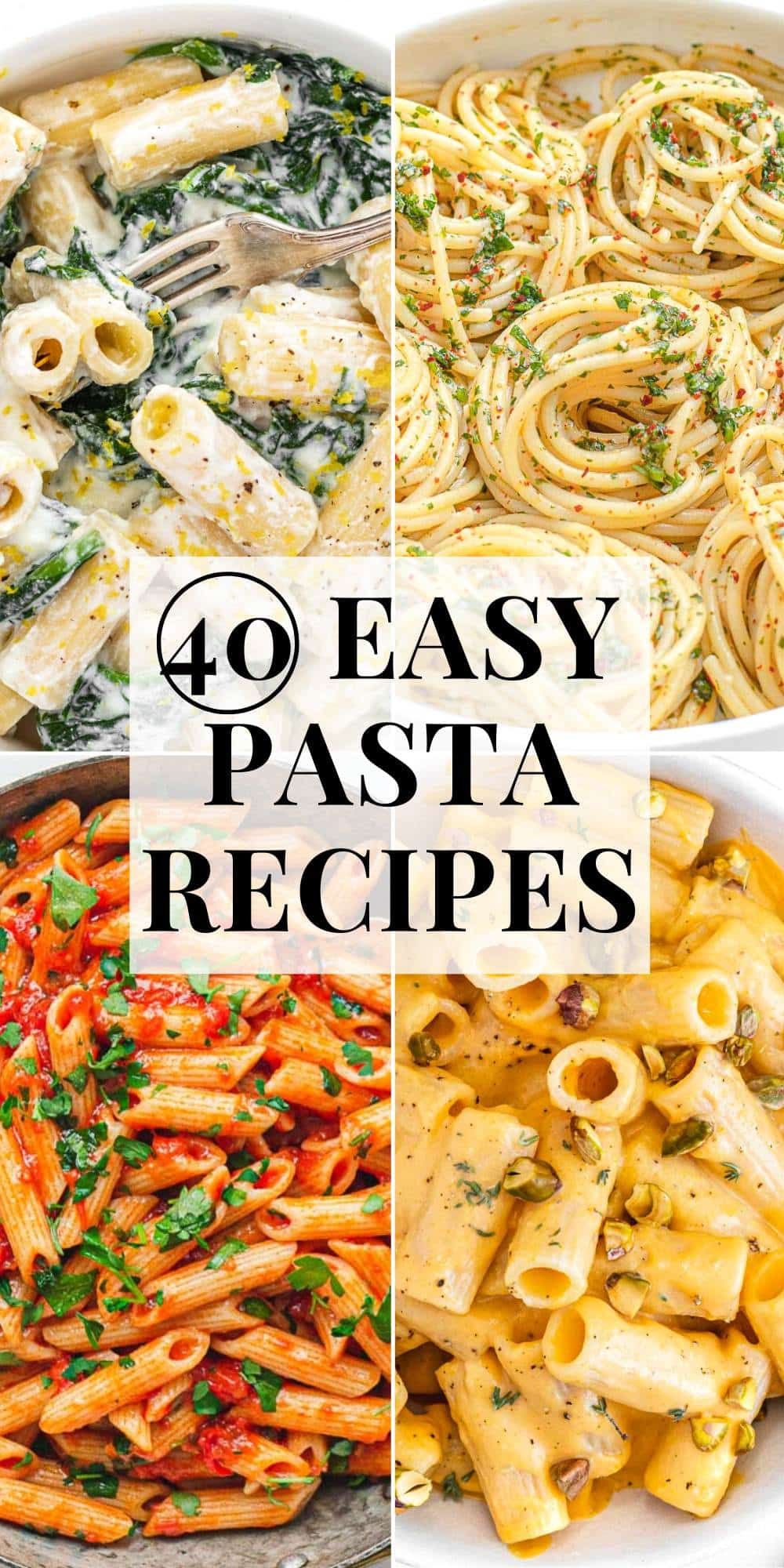
Easy Ricotta Pasta Recipes
Easy Ricotta Pasta Recipes turn a tub of ricotta into a silky, garlicky 30-minute dinner with lemon, parmesan and a splash of pasta water.
🧂 Ingredients
- 1 lb (454g) short pasta, such as rigatoni, penne or fusilli
- 15 oz (425g) whole-milk ricotta, at room temperature
- 1 cup (90g) finely grated parmesan or pecorino romano
- 3 cloves garlic, finely grated or minced
- 1 lemon, zested and juiced (about 2 tsp zest and 2 tbsp juice)
- 3 tbsp extra-virgin olive oil
- 1/2 tsp fine sea salt, plus more for the pasta water
- 1/2 tsp freshly cracked black pepper
- 1/4 cup (15g) fresh basil or flat-leaf parsley, torn
- 1/2 tsp red pepper flakes, optional
📋 Instructions
- 1Boil the pasta water — Fill a large pot with 5 quarts of water, add 1 tablespoon fine sea salt, and bring it to a rolling boil over high heat, about 8 to 10 minutes. It should taste lightly salty, like a well-seasoned soup.
- 2Whisk the ricotta base — While the water heats, whisk the 15 oz room-temperature ricotta, 1 cup grated parmesan, 3 cloves grated garlic, 2 teaspoons lemon zest, 2 tablespoons lemon juice, 1/2 teaspoon salt and 1/2 teaspoon pepper in a large bowl until smooth, about 1 minute. It should look like thick pancake batter with no lumps.
- 3Cook the pasta — Add the 1 lb pasta to the boiling water and cook 1 minute less than the package directions, usually 9 to 11 minutes for rigatoni. The noodles should be firm at the center with a clean bite, since they will finish cooking in the sauce.
- 4Reserve the pasta water — Scoop out 2 cups of the cloudy cooking water and set it aside, then drain the pasta in a colander. Do not rinse it; the surface starch is what thickens the sauce.
- 5Temper the ricotta — Slowly whisk 1/2 cup of the hot pasta water into the ricotta mixture in a thin stream until it loosens and looks glossy, about 30 seconds. This warms the cheese gently so it will not curdle when it hits the pot.
- 6Toss over low heat — Return the drained pasta to the pot, set it over low heat (about 250F / 120C), and pour in the ricotta mixture and 3 tablespoons olive oil. Toss constantly with tongs for 60 to 90 seconds, adding pasta water 2 tablespoons at a time, until the sauce coats every noodle and pools slightly at the bottom of the pot.
- 7Finish with herbs — Pull the pot off the heat, scatter in the torn basil and the optional 1/2 teaspoon red pepper flakes, and toss once more. The herbs should wilt slightly but stay bright green, and the sauce should look creamy, never split or oily.
- 8Serve immediately — Divide among 6 warm bowls and top with extra parmesan and a crack of pepper. The sauce tightens as it cools, so serve within 5 minutes for the silkiest texture.